Portfolio
Smart Kitchen UX Prototype
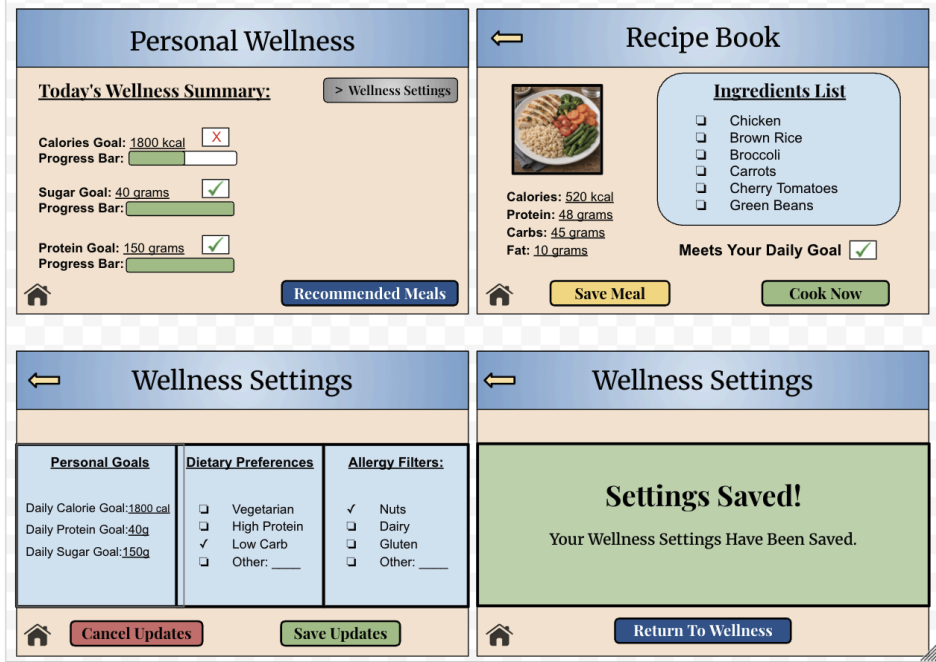
Overview: Designed and developed a high-fidelity web prototype for a Smart Kitchen application focused on improving cooking efficiency, food management, and wellness planning.
Problem: Users lack centralized tools to effectively manage nutrition goals, dietary preferences, and meal planning, leading to fragmented and inefficient workflows.
Approach:
- Conducted user-centered design research to understand nutrition tracking and meal planning behaviors.
- Designed user flows, wireframes, and interactive prototypes to define end-to-end user experience.
- Led development of the Wellness Planning feature, focusing on personalization and usability.
- Applied UX principles to simplify navigation and reduce cognitive load.
Solution: Created a wellness-focused feature that enables users to track nutrition goals, personalize dietary preferences, and receive tailored meal recommendations within a unified interface.
Impact: Improved usability by streamlining workflows and centralizing wellness features, enabling more efficient meal planning and goal tracking.
Roller Skate E-Commerce UX Evaluation
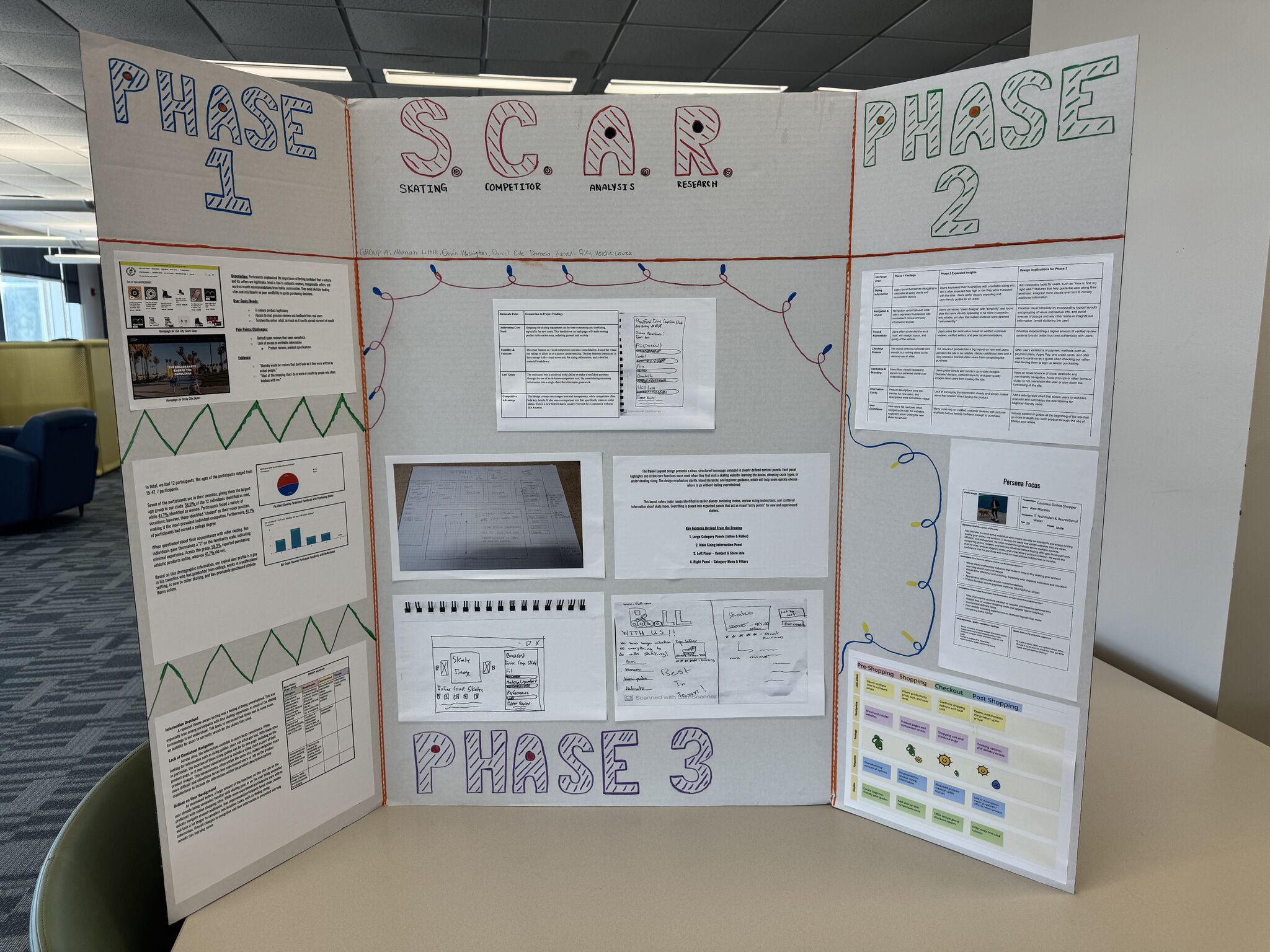
Overview: Conducted a comparative UX evaluation of multiple roller skate e-commerce platforms to identify usability issues and improve user experience.
Problem: Users experienced friction across platforms due to inconsistent sizing guidance, unclear product hierarchy, and inefficient checkout flows.
Approach:
- Performed heuristic evaluations across three platforms.
- Analyzed user journeys and interaction flows.
- Collected qualitative research from diverse users.
- Synthesized findings into actionable insights.
Solution: Proposed design improvements to streamline navigation, clarify product information, and optimize checkout processes.
Impact: Identified key usability gaps and delivered recommendations that improve navigation clarity and increase user confidence in purchasing decisions.
SustAIn: Immersion Cooling System Prototype
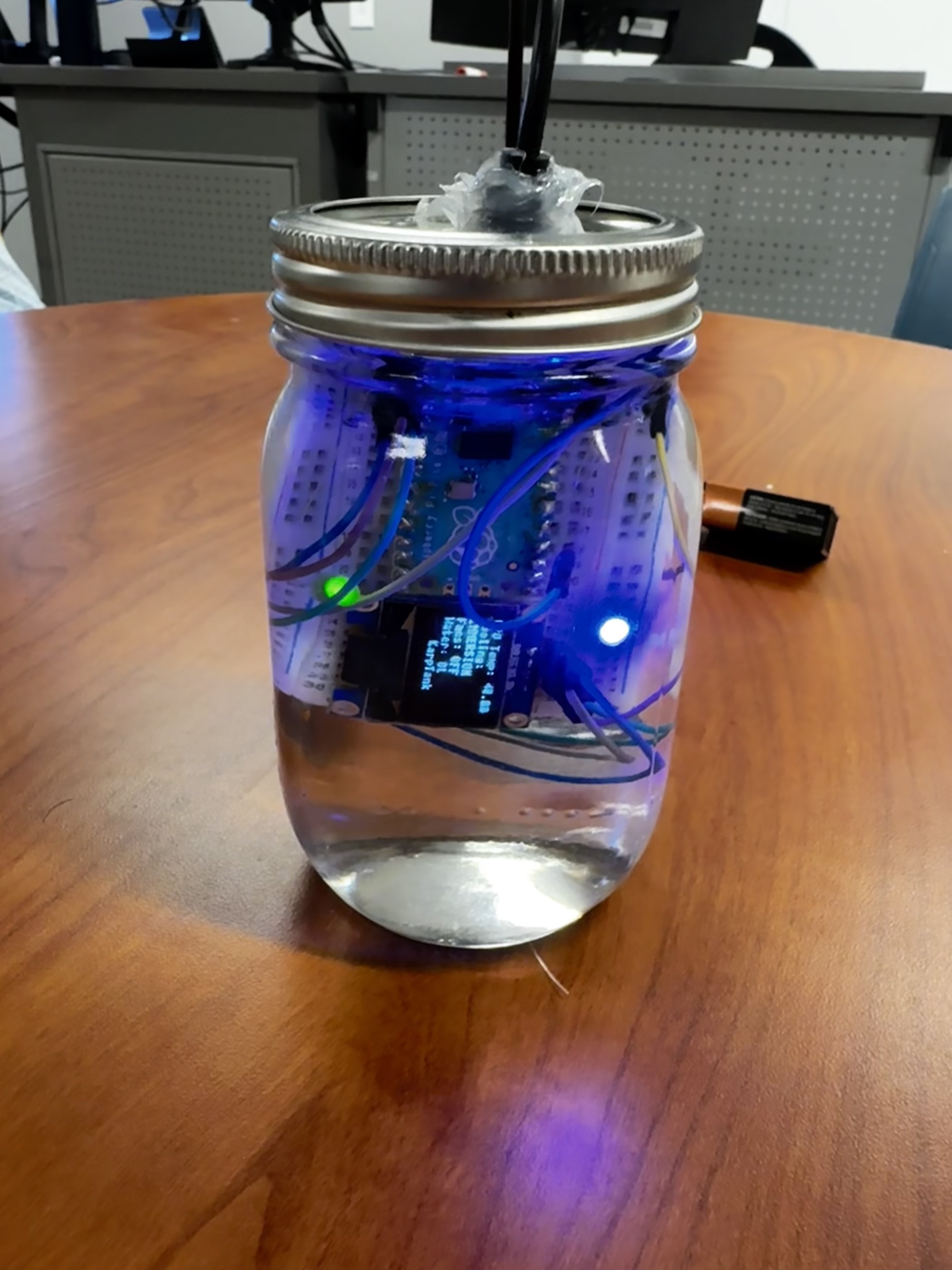
Overview: Developed a sustainable cooling solution for modern computing systems, focusing on reducing the environmental impact of energy-intensive data infrastructure.
Problem: High-performance computing systems generate significant heat, requiring energy-intensive cooling methods.
Approach:
- Conducted research on the environmental impact and energy consumption of traditional cooling systems.
- Evaluated and compared alternative cooling methods, including immersion cooling, for feasibility and efficiency.
- Collaborated with a multidisciplinary team to design and develop a functional prototype.
- Presented the solution in a Shark Tank–style pitch, communicating technical concepts and value proposition effectively.
Solution: Designed and prototyped a full immersion cooling system using non-conductive mineral oil to efficiently dissipate heat without traditional cooling infrastructure.
Impact: Demonstrated a scalable, energy-efficient cooling solution, showcasing how alternative methods can reduce environmental impact and improve system efficiency in high-performance computing environments.
Personal Course Website
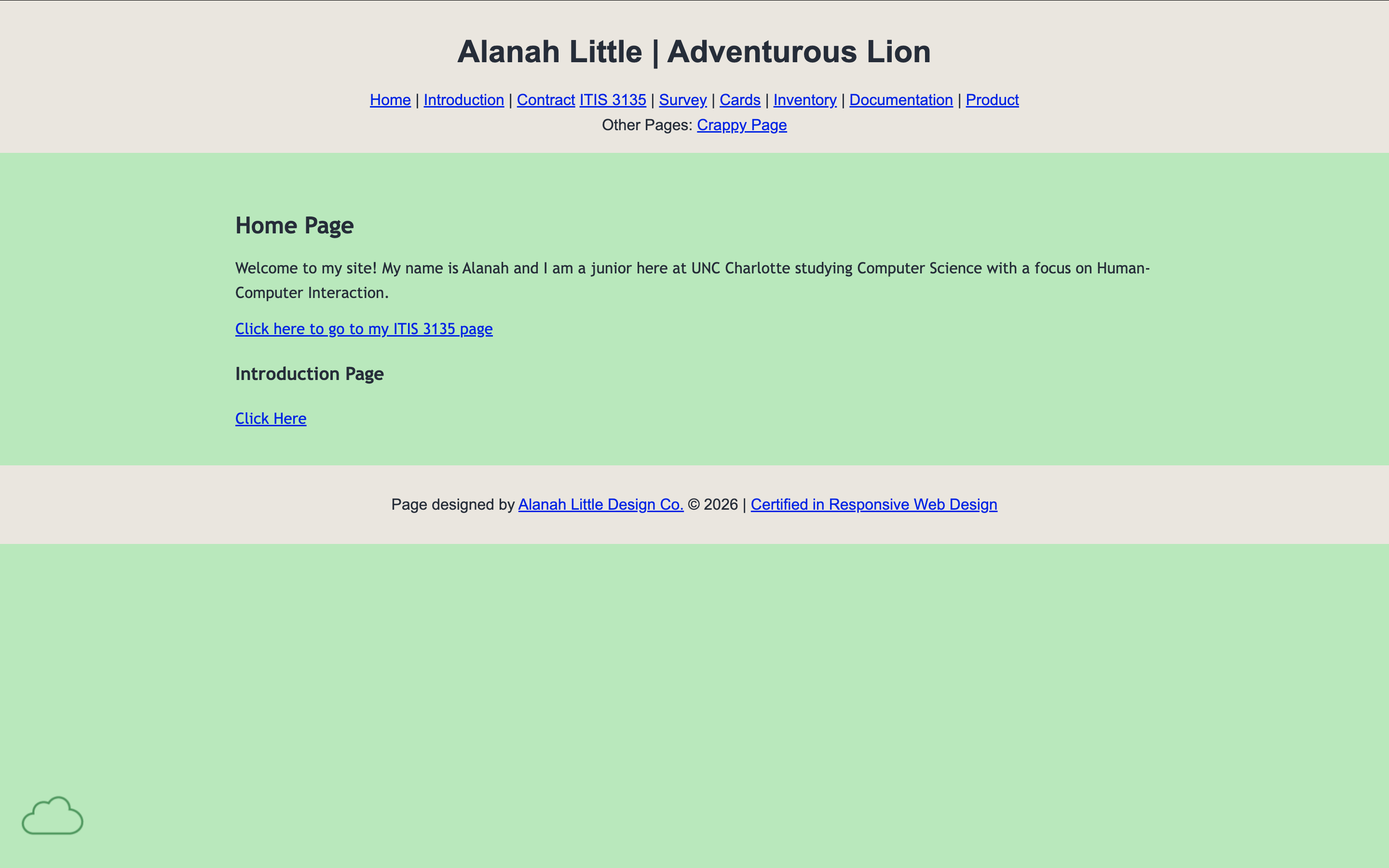
Overview: Developed a multi-page website as part of coursework to demonstrate foundational web development skills, including HTML structure, CSS styling, and responsive design.
Problem: Needed to build a structured, multi-page website that effectively organizes content while demonstrating proficiency in web development concepts and usability.
Approach:
- Designed and developed multiple interconnected pages using semantic HTML and CSS.
- Implemented consistent navigation and layout across pages.
- Applied responsive design principles to ensure usability across devices.
- Organized content into clear sections to improve readability and structure.
Solution: Created a fully functional multi-page website featuring various components such as forms, navigation systems, and content pages to demonstrate front-end development skills.
Impact: Strengthened foundational web development skills and created a structured, user-friendly site that demonstrates the ability to build and organize multi-page applications.
RideReady – Smart Transit Companion
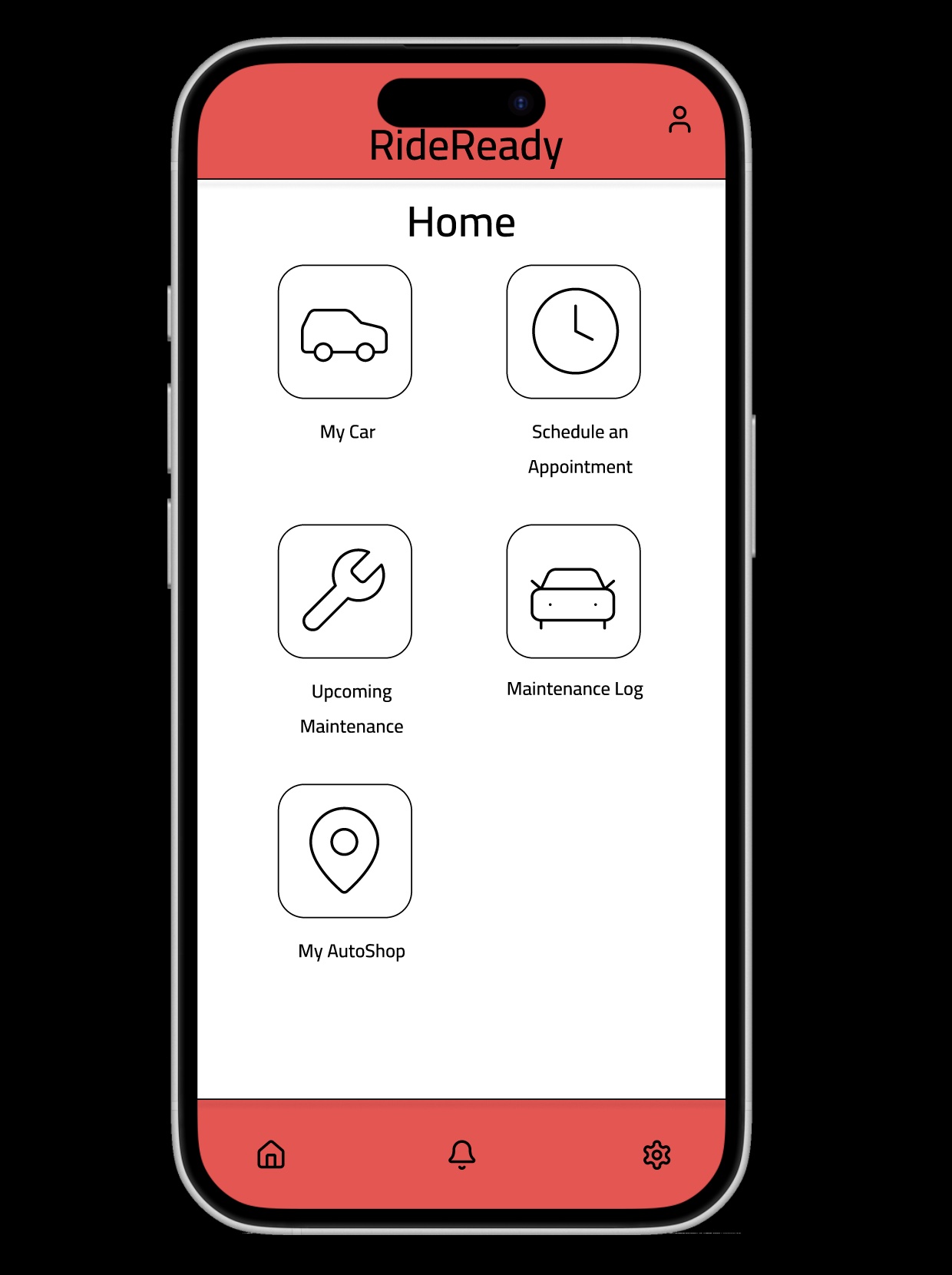
Overview: Designed a mobile application to help users manage vehicle maintenance and track service schedules more efficiently.
Problem: Users struggle to keep track of maintenance schedules, leading to missed services and disorganized information management.
Approach:
- Mapped user flows and task journeys to understand maintenance tracking behaviors.
- Designed wireframes and high-fidelity prototypes in Figma.
- Improved information architecture to simplify navigation and task completion.
- Iterated on designs to enhance usability and clarity.
Solution: Developed a mobile interface that centralizes maintenance tracking, reminders, and vehicle information in a user-friendly system.
Impact: Reduced user friction by creating a more intuitive interface for managing maintenance tasks and reminders.